Privacy Features in Google Analytics 4
Privacy Features in Google Analytics 4
Privacy first
Customer behavior has changed over time. Interaction with users is expected to become user-friendly and laws are increasingly evolving into this direction. Tech companies have recognized this and are developing their technologies accordingly and respecting customer needs. Google Analytics 4 (GA4) for example offers all the privacy features that are also available in Google Universal Analytics. The upgrade to GA4 brings more privacy benefits with it. This is in view of the various regulations such as: GDPR, CCPA, iOS14, and Google's Privacy Sandbox (Google Chrome).
The new era of measurement
This can be used as an opportunity, because those who respect data protection can also take advantage of it.
Data protection is recognized in the sense of data protection regulation.
The customer can choose whether or not to share their data.
The collection of data changes as there are restrictions on cookies.
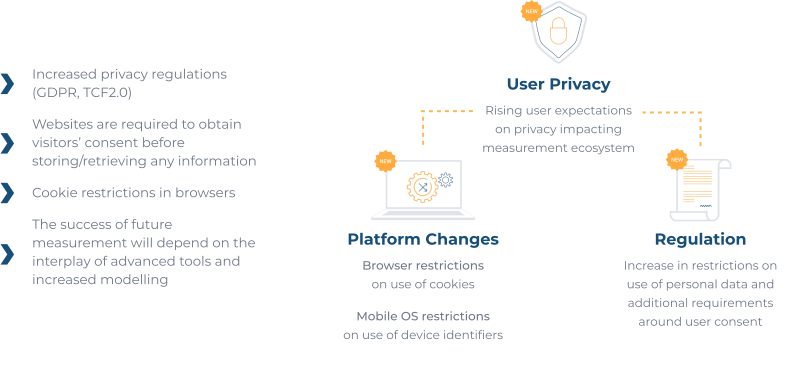
Figure 1: Changes and advances in the digital landscape
With a new 1st party data strategy, one can ideally prepare for the new era of measurement.
GA4 - success with a new data protection compliant setup
Those who already deal with Google Analytics 4 today can also take on a pioneering role with regard to data protection. The data can be used successfully in the interest of the users and the users' privacy is respected. We show which key features Google Analytics 4 has in this respect.
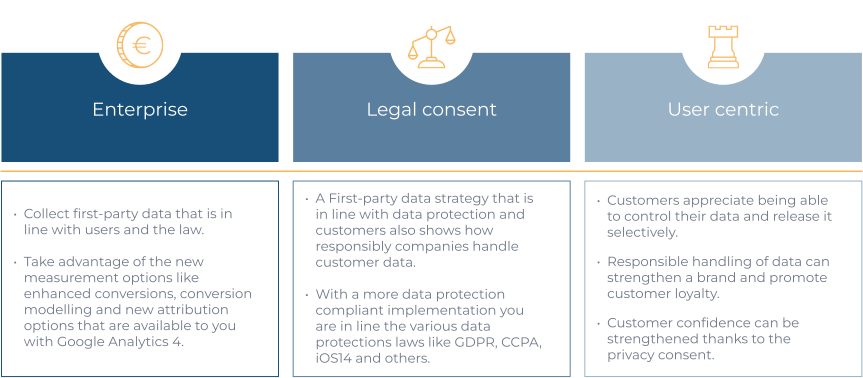
Figure 2: Strategy to align business interests, data protection regulations and customer interests
It is certainly an advantage to deal with the topic now and to work out a 1st party data strategy now that is in line with data protection and respects the privacy of the customers.
GA4 - privacy features
Cookie Banner
Cookie banners are needed to inform your customers about your data collection. Google Analytics 4 collects user data that interacts with your website or app. The customer should be able to see what data is being collected for what purpose and then give his / her consent to opt-in or opt-out. GA4 does not control cookie banners itself. There are various consent management tools which offer cookie banner solutions. Which one fits best for you, is your decision.
Figure 3: Cookie Banner example from Digitl.net
Consent Mode
Due to the constant expansion of restrictions, it is becoming increasingly difficult for marketers to collect data. Gaps in data collection occur, data is missing and cannot be recovered. Making decisions based on incomplete data is becoming increasingly difficult. Consent Mode aims to close this gap and enable marketers to generate a holistic view of user behaviour on the website.
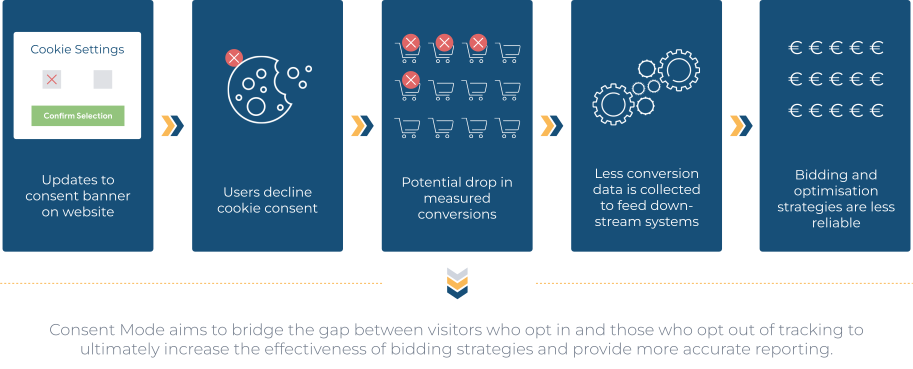
Figure 4: Closing the measurement gap
Data Storage
Data Storage is used to define how long customer data should be held and stored. This table shows the various lengths (depending on the license option GA4 Standard or GA4 Enterprise solution).

Figure 5: Feature and Limits of GA4
Google Analytics 4 (not the Enterprise solution) offers a maximum of 14 months for customer-level data retention, including conversions. Google Analytics 4 (the Enterprise solution) offers the following options for customer-level data retention, including conversions:
14 months 26 months 38 months 50 months Do not run automatically.
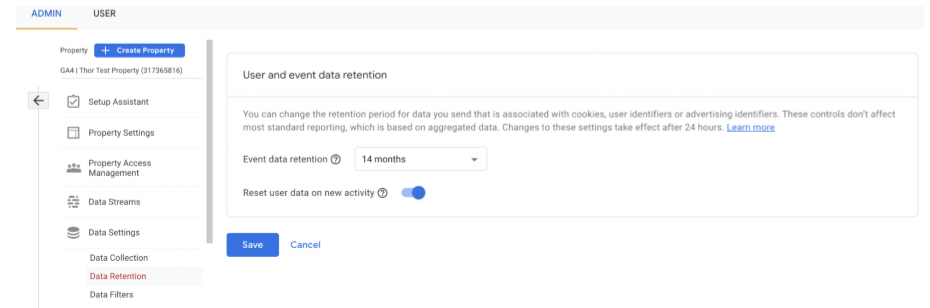
Figure 6: User and event data retention
An important note here: It is useful to define from the beginning how fresh you want the data to be and how long you want to keep it. If you change the settings over time, e.g. from 14 months to 26 months, you should know that the data will be deleted after 14 months, despite the new change to 26 months.
If a 14-month data retention period is too short for the long-term comparative analyses you are conducting, you can store the data longer in tools like BigQuery.
Data collection and data signals
Data collection is relevant from a company's point of view, because you want to analyze the user behaviour of your own customers or offer users the right product with personalized ads. The new data protection regulations now aim to create more transparency and give users the opportunity to choose which data should be tracked and which should no longer be tracked (Opt-in and opt-out possibilities). A good solution is to use a 1st party strategy to clearly define the data to be collected and to give users the choice of which data they consent to or not.
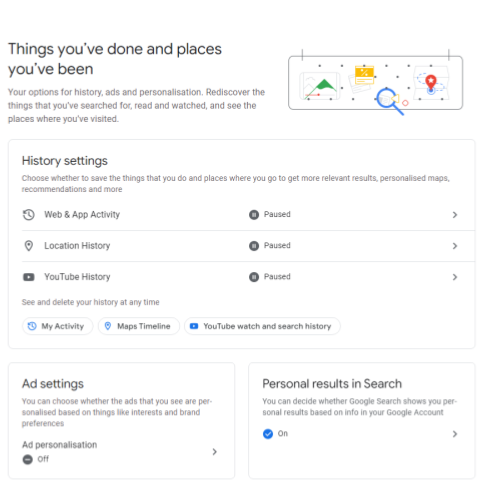
Figure 7: Gmail account
Google gives users also the right to adjust the privacy settings according to their wishes. The privacy check-up explains which data is collected for which usage. This ranges from web & app activities, YouTube history to personalized ads. The user can then decide which data to release to Google and which data should no longer be collected. Thanks to these settings, the user can decide about his data sharing and also get personalized ads or videos displayed, which might be more in line with his wishes. The data, which Google also collects as signals, are also available for analytical and/or advertising purposes. Google takes into account the users and their privacy, and on the other hand, companies can use customer data that the customers have released.
Conclusion
Privacy setting offers opportunities to reach your customers in lith data regulation. This way, you can offer your customers a better user experience and still build a good database for your own business. The mentioned few key features can help to improve privacy. There are many more like PII, data retention, data anonymization and more, which we recommend to look at. Privacy will certainly continue to advance and it makes sense to have the topic on the agenda. Digitl is happy to help you develop a privacy strategy regarding Google Analytics 4 and much more with all the mentioned key features.
Related Articles
Related Articles
Your Google tag becomes a Tag Manager container
Your Google tag becomes a Tag Manager container

About Conversational Analytics in Data Studio
About Conversational Analytics in Data Studio
Campaign Data Import Validation For GA
Campaign Data Import Validation For GA